Kuala Lumpur International Airport (KLIA) is more than just a transit hub—it’s an experience in itself. Whether you’re on a business trip, a luxury traveler looking for premium services, or an adventurer ready to explore Malaysia, KLIA offers a seamless introduction to this vibrant nation.
This guide will take you through KLIA’s impressive facilities, terminal highlights, tips for navigating efficiently, and the role it plays in Malaysia’s tourism and business landscape.
A Brief History of Kuala Lumpur International Airport
KLIA, located in Sepang, Selangor, officially opened in June 1998 and remains one of Southeast Asia’s busiest airports. Designed to handle 25 million passengers annually at its inauguration, it has grown to accommodate 60 million travelers due to extensive upgrades. The airport spans 100 square kilometers, making it one of the largest in the world.
KLIA stands out for its architectural brilliance, blending modernity with Malaysian cultural motifs. The “Airport in the Forest” concept incorporates lush greenery, offering travelers a relaxing environment amidst the hustle and bustle of travel.

Understanding the Terminals
KLIA consists of three main terminals, each catering to different types of travelers and airlines.
KLIA Main Terminal
The Main Terminal serves as the heart of the airport, primarily dedicated to full-service international carriers. It’s equipped with state-of-the-art facilities, including extensive immigration counters, duty-free shops, and comfortable lounges. Travelers will also find a wide variety of high-end brands and dining options here.
Key features include:
Automated self-check-in kiosks for faster processing.
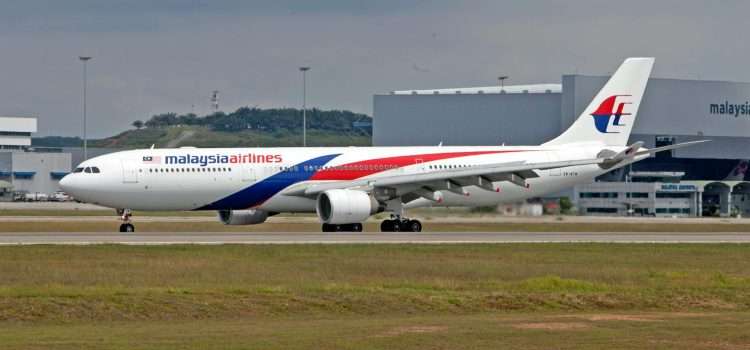
Spacious business lounges by airlines like Malaysia Airlines and premium partners.
Efficient transport connectors like the Aerotrain to get around terminals quickly.
KLIA2
KLIA2 is the go-to terminal for low-cost carriers like AirAsia, making it Asia’s largest terminal for budget airlines. Despite being budget-friendly, KLIA2 is packed with facilities rivaling major global airports.
Highlights of KLIA2 include:
Over 200 retail outlets featuring both local and international brands.
A vast range of food courts with Malaysian street food and popular global chains.
A dedicated transportation hub connecting travelers to buses, trains, and taxis.
STOLport Terminal
Short Take-Off and Landing Port (STOLport) provides services to regional and domestic carriers, offering a more localized travel experience. Catering mainly to niche markets and remote areas, it ensures connectivity to Malaysia’s lesser-known destinations.
Tips for Navigating KLIA Smoothly
Kuala Lumpur International Airport is vast, but with these tips, travelers can move efficiently no matter their purpose of travel.
1. For Business Travelers
- Arrive early to enjoy the exclusive lounges like the Golden Lounge by Malaysia Airlines, which features business facilities such as private workspaces and high-speed Wi-Fi.
- Utilize the Wellwishers Lane entrance, tailored for quick access to check-in counters.
2. For Adventure Travelers
- Plan at least an hour for exploring the duty-free section—it’s one of Asia’s most impressive.
- Download the MyAirports app to get real-time updates on gates, delays, and terminal maps.
3. For Luxury Travelers
- Opt for the VIP Meet & Greet service that offers personal escorts through immigration and baggage.
- Book premium airport spa treatments at the Plaza Premium Lounge for ultimate relaxation before your flight.
 Kuala Lumpur Airport 2
Unique & Luxurious Amenities
KLIA offers experiences that go beyond boarding lounges. Luxury travelers can indulge in exclusive perks such as:
- Sama-Sama Hotel (connected to KLIA): A five-star hotel providing comfort and convenience for transit travelers.
- Wellness & Spas located in both KLIA and KLIA2 terminals, ensuring you feel refreshed before continuing your journey.
- Art Installations throughout the airport that showcase Malaysia’s rich cultural heritage.
Even economy passengers can enjoy free movie screenings, nap zones, and high-speed Wi-Fi throughout the airport.
KLIA’s Role in Tourism and Business
Kuala Lumpur Airport plays an integral role in driving Malaysia’s economy through tourism and business connectivity. It serves as a major entry point for millions of tourists annually, offering a first impression of Malaysian hospitality.
For business travelers, KLIA is a hub linking global markets. Its proximity to Kuala Lumpur city center (reachable in just 30 minutes via the KLIA Express train) makes it the preferred airport for international corporate travelers.
The airport’s robust logistics services also serve Malaysia’s growing e-commerce and export industries, acting as a gateway for trade within Southeast Asia and beyond.
Exciting Plans for KLIA’s Future
KLIA is constantly evolving to meet the demands of modern air travel. Key developments planned for the airport include:
Sustainability Upgrades—The airport is investing in green initiatives like solar panels and waste reduction systems to enhance eco-friendliness.
Advanced Technology Integration—New biometric screening systems and AI-driven baggage handling are being trialed to improve efficiency.
Expanded Shopping Areas—The retail section will see a major facelift to provide an even more elevated shopping experience.
These upgrades are set to make KLIA not only a travel hub but also a world-class destination in itself.
Plan Your Next Journey with KLIA
Kuala Lumpur Airport isn’t just a transit point—it’s the gateway to an unforgettable Malaysian experience. Whether you’re a frequent flier or an eager first-time visitor, KLIA’s world-class amenities and cultural touches ensure your trip starts on the right note.
Start planning your trip now and discover why millions of travelers consider KLIA a standout airport. From luxury lounges to seamless connectivity, Kuala Lumpur Airport truly sets the standard for excellence in global travel.
Read more blogs